
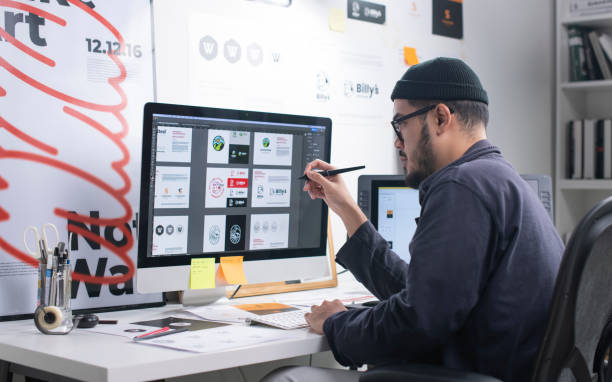
In today’s fast-paced, visually saturated digital landscape, the power of visual identity cannot be overstated. Every brand seeks to stand out, but with mere seconds to capture attention, words alone are insufficient. It is the imagery, color, typography, and overall design language that determines whether a business will be noticed, remembered, and trusted. In this context, expert graphic design services form the backbone of successful brands. At agencies like Gingerbrit, every project is created with a sharp focus on expressing a client’s unique essence, transforming ordinary communications into memorable experiences and lasting emotional connections.
A robust visual identity is more than just a logo or a color scheme. It encapsulates the brand’s values, culture, and aspirations. Well-crafted graphic design acts as a silent ambassador, working around the clock to engage audiences, foster recognition, and convey professionalism. By aligning visuals with brand strategy, graphic design services dictate how audiences perceive, interact with, and remain loyal to a business.
Why Graphic Design Matters in Modern Business
Graphic design has evolved from simple aesthetics to become a vital communication tool in both digital and print media. Modern businesses rely on graphics for a variety of crucial purposes:
- Building Emotional Connections: Strategic colors, imagery, and design layouts evoke emotions that create a strong bond between brand and audience.
- Instant Communication: Design enables brands to deliver their messages quickly, effectively, and often wordlessly critical in our era of short attention spans.
- Boosting Engagement: Eye-catching visuals dramatically improve the performance of websites and social media, leading to increased clicks, shares, and interactions.
- Establishing Professional Image: Consistent, polished design sets businesses apart in crowded markets, reaffirming credibility and expertise.
- Influencing Consumer Behavior: The alignment between design and business objectives directly affects consumer perception and purchasing decisions.
Ultimately, graphic design is an investment in how customers feel about a brand. Those feelings determine whether they trust, remember, and advocate for the business.
Understanding Professional Graphic Designing Services
Professional graphic designing services are holistic, encompassing strategy, creativity, and meticulous execution. They offer much more than just pretty pictures. Agencies and designers translate complex business goals into compelling visual formats, such as:
- Logo and Branding Design: Creating iconic symbols and a visual framework that encompasses fonts, colors, and imagery to unify all communications.
- Social Media Creatives: Tailored graphics for platforms like Instagram, Facebook, and LinkedIn, designed to maximize engagement.
- Packaging and Print Design: Crafting product packaging, brochures, and business cards that capture attention and distinguish products.
- Website and UI/UX Design: Designing intuitive websites and apps that marry aesthetics with seamless user experiences.
Effective service providers understand the balance between innovation and consistency. They know when to push the envelope to help a brand stand out and when consistency is critical for brand recall. Working with professionals means every visual element, from a business card to a billboard, serves the business’s larger narrative.
Key Elements of Effective Graphic Design
The most impactful graphic design is built on key principles, including:
- Color Harmony: Colors are powerful psychological tools. They set the mood, trigger emotional responses, and maintain brand coherence. A financial brand might lean into blues for trust, while a lifestyle company could opt for vibrant, energetic hues.
- Typography: The choice of fonts affects readability and tone. A sleek, modern typeface conveys innovation, while hand-lettered fonts create warmth and intimacy.
- Imagery: High-quality images are essential for authenticity and storytelling. They reinforce trust and make messages relatable.
- Layout and Composition: Good design creates visual hierarchy, guides attention to the most important messages, and organizes information efficiently.
- Consistency: Using the same colors, fonts, and visual style across all assets builds brand familiarity, a key ingredient for long-term recognition.
When these elements are used skillfully, they turn marketing messages into unforgettable visual experiences.
How Graphic Designers Shape Your Brand Story
Graphic designers are storytellers, translating a brand’s values of trust, innovation, and sustainability into a compelling visual language. Every color, typeface, and icon is chosen with intent. For example:
- Rebranding Legacy Companies: Designers modernize the look without losing heritage, showing that the brand evolves but remains trustworthy.
- Crafting New Identities: Startups get visuals that reflect ambition and distinctiveness, positioning them powerfully for launch.
- Aligning Story and Design: Designers ensure every touchpoint, from a website to packaging, reinforces the narrative brands wish to tell.
Designers are responsible not just for aesthetics but for forging emotional resonance. Their expertise ensures that brand communications are strategic, authentic, and impactful.
Types of Graphic Designing Services Businesses Need
Branding and Logo Design
A logo is the cornerstone of brand identity. Expert designers create logos that are simple yet meaningful, and easily recognized across any platform. Branding services go further, developing a suite of visual assets that guarantee consistency business cards, email signatures, presentation templates, and more strengthening brand presence wherever it appears.
Marketing and Advertising Design
From online banners to magazine ads, marketing design is about guiding the customer’s attention toward conversion. Every visual element is crafted to stand out in saturated markets, drive action, and reinforce messaging.
Web and UI/UX Design
A brand’s digital presence is critical to its success. Good web and UI/UX design marry beauty with utility, delivering intuitive site navigation and eye-catching layouts. Consistent branding across digital touchpoints increases engagement and conversion rates.
Packaging and Print Design
Product packaging must be practical yet visually compelling. Talented designers blend branding with functionality, ensuring packaging builds trust and reflects quality. Print designs brochures, flyers, posters expand brand reach in physical spaces.
The Process Followed by Top Graphics Designers
Successful design agencies follow a structured process:
Stage | Description | Outcome |
Discovery | Deep dive into brand, customers | Clear creative direction |
Research | Study competitors, trends | Strong design benchmarks |
Concept Development | Ideation, sketches | Multiple draft concepts |
Design Creation | Digital rendering, refinement | Polished visual layouts |
Feedback & Revision | Collaborative problem solving | Final design improvements |
Delivery | File handoff, implementation | Consistent brand materials |
This workflow ensures no detail is overlooked, and every asset supports the brand’s strategic objectives.
Balancing Creativity with Strategy
Good design is both imaginative and purposeful. While creativity attracts and delights, strategy guarantees relevance and results. The best agencies, like GingerBrit, blend expressive artistry with data-driven insights, ensuring that every project not only looks spectacular but performs driving engagement, conversions, and brand growth.
Understanding the audience, market context, and long-term goals is central. Design choices must always answer, “Does this represent the brand’s essence?” and “Will this resonate with our customers?” Creative visuals are great, but strategic visuals are transformative.
Tools and Technologies in Modern Graphic Design
Today’s designers employ a suite of advanced tools:
- Adobe Creative Suite (Illustrator, Photoshop, InDesign): Industry standards for classic design tasks illustration, photo editing, and print layouts.
- Figma / Sketch: Cutting-edge collaboration for UI/UX design, allowing teams to rapidly prototype and test digital experiences.
- Canva: Democratizes design, enabling agile creation for fast-moving campaigns without compromising on quality.
- AI-powered Tools: Accelerate routine tasks, optimize layouts, and offer data-driven suggestions to enhance creativity.
Technology empowers designers, speeding up workflows and providing new avenues for experimentation and refinement.
How to Choose the Right Graphic Designing Partner
Selecting the right design partner is crucial for sustained success. Criteria include:
- Portfolio Diversity: Does the agency’s work fit your brand vision? Are they flexible and creative?
- Audience Understanding: How well do they grasp your market’s needs and behaviors?
- Process Transparency: Are they clear about timelines, workflows, and expectations?
- Communication Efficiency: Is feedback welcomed and acted on promptly?
- Consistency and Scalability: Can they deliver high-quality assets for every platform, now and as you grow?
A collaborative approach, as offered by GingerBrit, means solutions evolve with your business and market trends, ensuring your brand is always relevant and resonant.
Why Ginger Brit Excels in Graphic Designing Services
GingerBrit’s philosophy rests on strategic design thinking: combining aesthetics with marketing insights. Their team goes beyond surface visuals, focusing on clarity, creativity, and long-term alignment with business goals. Continuous collaboration ensures solutions reflect true brand values, consistently delivering assets that build recognition, loyalty, and competitive distinction.
Real Business Value of Investing in Quality Design
Quality design is not a luxury it is a smart business investment. Its benefits include:
- Increased Brand Recognition and Loyalty: Memorable visuals foster lasting relationships.
- Improved Conversion Rates: On-brand assets guide customers efficiently through journeys, boosting results.
- Enhanced Trust and Retention: Professional, consistent design reassures clients and sustains engagement.
- Competitive Differentiation: Strong design separates brands from rivals, making them the obvious choice.
Over time, investing in professional design amplifies marketing performance, strengthens visibility, and grows a loyal customer base.
Common Pitfalls and How to Avoid Them
Failing to recognize the value of design leads to diluted brand impact. Pitfalls include:
- Inconsistent Visuals: Disjointed branding confuses audiences and erodes trust.
- Outdated Assets: Old designs send the wrong signals about relevance and professionalism.
- DIY Templates: “Quick fixes” lack authenticity and diminish uniqueness.
Avoid these by maintaining a unified visual language, regularly updating assets, and partnering with professionals committed to your brand’s success.
Conclusion: Bringing Your Brand Vision to Life
Graphic design is a strategic language a bridge between business vision and customer perception. Partnering with experts like Ginger Brit enables your brand to transcend decoration, achieving lasting impact. Through memorable, purpose-driven visuals, your business will capture attention, inspire trust, and drive growth in an ever-evolving digital marketplace. To get started, contact us at Ginger Brit and bring your brand vision to life.
FAQs about Graphic Designing Services
Everything from logo and branding to packaging, advertising, UI/UX, and tailored design assets.
They offer holistic expertise, structured processes, quality assurance, and strategic long-term support far beyond what freelancers or DIY tools provide.
Typically, between one and six weeks, depending on complexity, revisions, and client feedback.
It boosts recognition, trust, and marketing effectiveness, helping businesses attract, retain, and convert customers.
Explore their offerings, review case studies, and reach out for personalized consultation through their website.